Smarter Cities Start with Smarter Data: Using BI to Manage Urban Risk
- POSTED ON
- August 18, 2025
- BY Natali E.
- POSTED ON
- August 18, 2025
- BY Cristina H.

Urban governments today are dealing with a long list of challenges: unstable revenue streams, aging infrastructure, climate impact— it’s a lot. And don’t forget about tight budgets and high expectations from citizens. Managing these risks demands more than static dashboards or waiting for IT teams to deliver reports. You need intuitive and interactive tools that let city leaders ask questions, model scenarios, and act decisively.
Budget Volatility and Infrastructure Risks
City budgets are constantly in flux, and federal funding is currently questionable. One survey of local Chief Finance Officers reported that only 64% said they felt better about meeting financial needs compared to the year before.
Public infrastructure isn’t faring better. The American Society for Civil Engineers (ASCE) estimates there’s a $3.7 trillion investment gap assuming current federal funding levels remain the same.
Climate and Operational Risks Are Rising
Extreme weather events are worsening municipal risk profiles as well. Cities have defaulted on municipal bond payments due to droughts and wildfires, and some communities have imposed special fees to repay recovery debt.
Increasingly, governments are turning to AI-enabled BI tools to support risk modeling as a solution.
How Intuitive BI Tools Enable Smarter Urban Risk Management
Modern business intelligence platforms let city officials and planners ask natural-language questions. Rather than send off queries to BI teams, they can call up a dynamic dashboard on the fly and ask questions using plain English, such as:
- What happens if sales tax revenue drops 5%?
- What’s the long-term budget impact if we prioritize preventative road maintenance instead of emergency repairs?
- What programs would be most at risk if our federal grants are reduced by 10%?
- Which neighborhoods are most at risk from delayed emergency response rates?

Intuitive Data Analytics (DIA) can instantly query vast — and varied — data sets to find answers, translating plain English queries into visualizations and scenarios. With this approach, you can evaluate plans and options to make better resource decisions in real time. With IDA, it’s also simple to adjust multiple variables to assess the impact, using sliders or asking questions to go deeper into the analytics.
Breaking Down Silos and Speeding Response
Traditionally, data was captured in spreadsheets or dashboards and might be spread out across departments. In many cases, this data lived in siloes. Asking cross-departmental questions required help from IT departments or data scientists. Without comprehensive access, it’s too easy to come to wrong conclusions.
IDA breaks down these barriers.
You can collaborate on the same datasets, visualize asset risk, budget outlooks, or model scenarios in one interface. Analysis that might take weeks now happens in seconds, and findings can be shared instantly across departments.
Real-World Applications of Smart BI in Cities
Let’s run through a few real-world applications of how urban centers are using smarter business intelligence tools to improve outcomes.
Infrastructure Renewal Risk
City planners can model vulnerabilities using a wide variety of data like asset age, usage, and exposure to climate stress. This information can help to prioritize bridge inspections or water pipe replacements before significant failures occur.
Climate Resilience and Emergency Planning
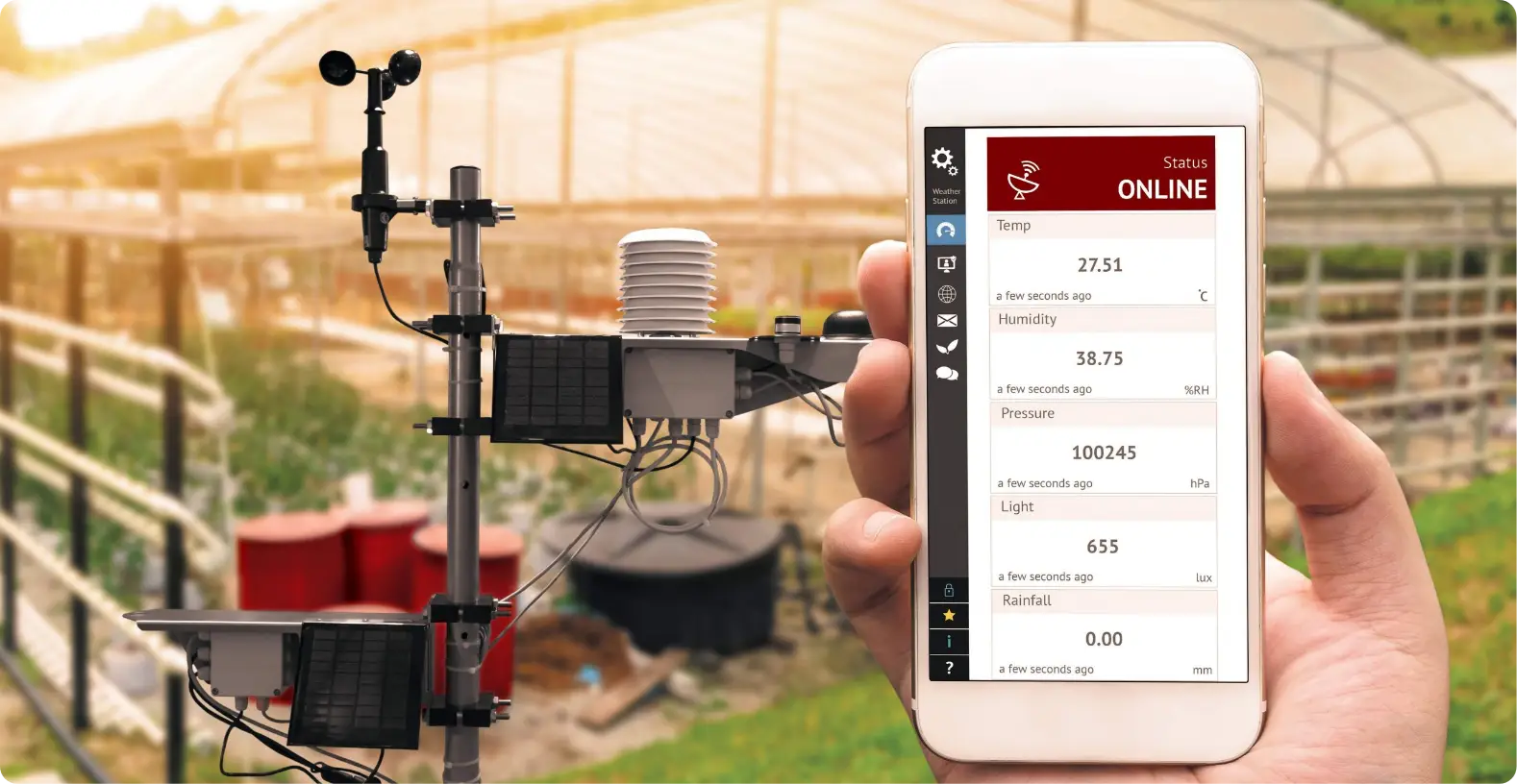
Using real-time IoT data, many cities now model flood zones, storm surge, or wildfire risk down to neighborhood-level vulnerability. This predictive mapping helps optimize evacuation and apply resources more effectively.
Budget Planning
As revenue changes, finance teams can simulate cuts, test trade-offs, and see service-level impacts without having to rebuild spreadsheets. Savings scenarios can be compared side by side to minimize disruption and maintain essential services efficiently.
At the same time, city planners can see the direct impact on funding shifts and run different scenarios to find optimal solutions in real-time.
Public Safety & Service Delivery Optimization
Smart analytics also drive better service fairness. For example, Kansas City has integrated AI into its 311 system to sort and route service requests more equitably. Likewise, real-time crime or incident predictions support targeting patrol resources and emergency unit deployment.
Smarter Cities Start with Smarter Queries
Infrastructure, budgets, emergencies, and service equity may seem overwhelming, but the solution starts with smarter data. Cities need intuitive business intelligence tools that enable exploration, collaboration, and scenario testing in a no
code environment.
This control can dramatically accelerate decision-making without having to wait for IT teams who often have a stack of queries to analyze. City leaders can ask the right questions and surface insights instantly, making it easier to respond proactively. By enabling users to analyze data themselves, intuitive BI tools cut out delays and reduce reliance on data experts. Smart cities gain the ability to anticipate outcomes rather than reacting to them.
IDA offers city teams a conversational, no
code platform to model risk and drive smart decisions across finance, infrastructure, emergency planning, and more. Try IDA today and see how you can improve speed to insight.
Explore more from IDA
Intuitive Data Analytics Unveils Revolutionary Business Intelligence Features to Its No-Code BI Platform at the Ai4 Conference in Las Vegas, NV.
Want to see IDA in action?
Get started with digital adoption today.